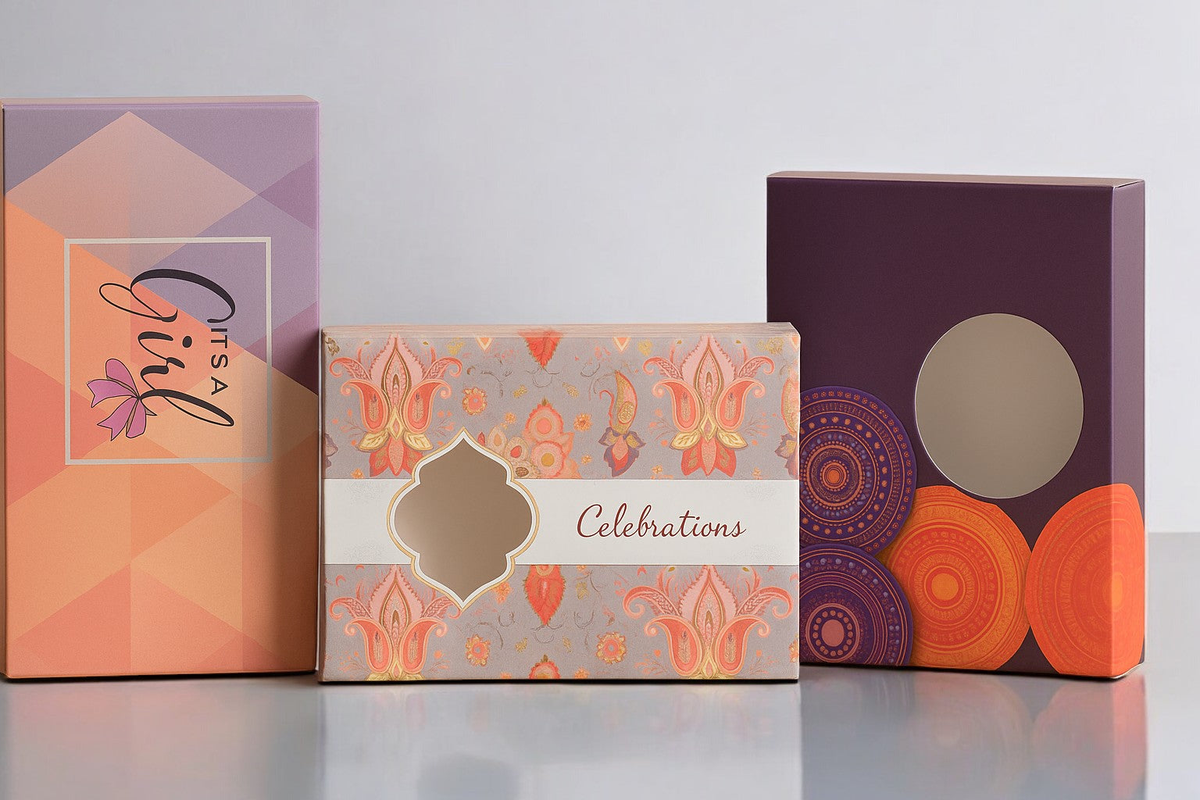


In today's hyper-competitive market, the packaging of your product can be a make-or-break factor. It’s no longer just about putting items in a generic box – it's about creating custom packaging that tells your brand’s story, protects your product, and delights your customer. Think about it: the moment a customer receives your package, their experience with your brand truly begins. Are they met with a forgettable brown box, or a memorable, branded unboxing experience that reinforces their decision to buy from you? Businesses that invest in high-quality, custom packaging boxes are reaping the rewards in customer loyalty, perceived value, and even bottom-line sales growth. This ultimate guide will show you exactly why custom packaging matters, how it can satisfy every business need from marketing to protection, and how to leverage it to drive real ROI. By the end, you'll not only understand the power of custom packaging – you'll be ready to make it a core part of your brand’s success (and we’ll show you how, step by step).
What Is Custom Packaging and Why Does It Matter?
Custom packaging refers to packaging that is tailored specifically to your product and brand – in dimensions, design, materials, and messaging. Unlike standard off-the-shelf boxes, custom packaging isn’t one-size-fits-all; it’s built to fit your product just right and showcase your unique brand identity. This means incorporating your logo, brand colors, and graphics, choosing materials that align with your product’s needs (and your company’s values), and designing the unboxing experience you want customers to have. In short, custom packaging transforms a mere container into a powerful marketing tool and a critical component of your product experience.
Why does this matter? Simply put, packaging is often the first physical interaction a customer has with your brand. It's your first chance to impress, convey quality, and set expectations. A well-designed package can grab attention and influence purchase decisions even before the customer tries the product. In fact, research shows that eye-catching packaging on a retail shelf can increase product sales by up to 30% by attracting consumers’ attention and differentiating your product. Whether on a store shelf or arriving in the mail for an online shopper, an attractive package communicates that what’s inside is valuable and from a brand that cares about quality.
Beyond attraction, custom packaging is a dual-purpose hero: it protects your product and promotes it. On the protection side, custom boxes can be made to the exact size and shape of your product, eliminating excess void space and the need for filler. This “right-sizing” prevents damage in transit and ensures customers receive the product in perfect condition. (No more rattling items in an oversized box or shattered products due to insufficient cushioning.) It also saves you money on shipping – smaller, lighter packages mean lower freight costs and often no oversize surcharges. On the promotional side, the moment a customer opens a well-crafted package – perhaps unfolding tissue paper to reveal your product nestled safely inside – they experience a little moment of joy and brand connection. This unboxing experience can create an emotional bond and a sense of trust. A customer who feels delighted and valued is far more likely to become a repeat buyer and to recommend your brand to others.
Premium custom packaging not only protects the product but also creates a memorable unboxing experience that reinforces your brand’s quality and values. Companies investing in thoughtful packaging design often see higher customer satisfaction and loyalty, as the packaging itself becomes part of the product’s appeal.
Let's put it plainly: custom packaging turns your box into a brand ambassador. It’s "free" advertising space in the customer’s hands, and it can significantly influence perception. A generic brown box does nothing for your brand, but a custom-printed box with your logo, brand name, and a catchy tagline or beautiful design immediately increases brand recognition and perceived value. Customers tend to associate high-quality packaging with high-quality products. One industry survey found that 72% of American consumers say packaging design influences their purchase decisions– that's an overwhelming majority you cannot ignore. If your packaging looks professional and aligns with your brand image, consumers are more confident in your product. On the flip side, flimsy or plain packaging can subconsciously signal that the product might be low-effort or low-value, which is a dangerous message to send.
Finally, custom packaging matters for the storytelling and emotional connection it enables. Your packaging can communicate your brand’s story, values, and differentiation right on the box. Are you an eco-friendly company? Using sustainable packaging materials and printing a small note about it on the box signals your commitment (earning respect from eco-conscious customers). Are you a fun, quirky brand? A vibrant design or a witty message printed inside the box can surprise and delight. Luxury brand? Premium finishes like embossing or foil stamping can convey exclusivity. All these custom touches turn an ordinary shipment into a brand experience. That experience is what sticks in customers’ minds long after the box is opened.
Custom Packaging vs. Standard Packaging (Comparison)
To truly appreciate the impact of custom packaging, let's compare it to standard, generic packaging. Below is a quick comparison table illustrating how custom packaging solutions stack up against one-size-fits-all packaging options:
| Aspect | Custom Packaging | Standard Packaging |
|---|---|---|
| Branding | Branded with your logo, colors, and design – instantly recognizable and reinforces brand identity. Your box markets for you. | Plain or stock design – no branding, offers no marketing value or brand recall. (Missed opportunity to impress.) |
| Fit & Protection | Tailored dimensions and inserts ensure a snug fit, minimizing movement and damage in transit. Uses appropriate materials to protect your specific product. | Often “close enough” sizing – may be too large (requiring excess filler) or too small (risking damage). Product can rattle or break more easily. |
| Customer Experience | Memorable unboxing experience with custom printing, personalized touches, and thoughtful presentation. Delights customers and encourages sharing (unboxing videos, social media). | Unimpressive unboxing – generic box with maybe some bubble wrap. Customers feel no special connection; likely to discard without a second thought. |
| Perceived Value | High-quality, well-designed packaging signals a premium product. Customers perceive more value and care, increasing trust and justification for price. | Generic packaging can make even a great product feel commoditized or cheap. Customers may undervalue the product due to lackluster presentation. |
| Cost Effectiveness | Initially higher cost per unit (especially at low volumes), but delivers ROI through marketing impact, reduced damage/returns, and improved customer retention. Volume orders and smart design can lower costs. | Lower cost per unit for plain boxes at small scales. However, offers no added ROI – no marketing lift, and potentially higher hidden costs (more damage claims, lower customer loyalty). In the long run, may cost you more in lost repeat business and weaker brand presence. |
As the comparison shows, standard packaging might save a few pennies upfront, but it can cost you dollars in lost brand opportunity and product damages down the line. Custom packaging, on the other hand, is an investment in customer perception and satisfaction that yields returns in multiple ways (we’ll detail those next). In essence, custom packaging is a chance to put your best foot forward, every single time your product ships or hits a shelf.
Benefits of Custom Packaging for Your Business
What tangible benefits can you expect when you upgrade to custom packaging? The short answer: higher sales, stronger brand loyalty, and smoother operations. Great packaging creates a win-win: customers are happier (which drives more sales and referrals), and your business operates more efficiently (which saves costs). Let's break down the core benefits in detail, backed by data and real-world outcomes:
1. Enhanced Brand Perception & Customer Experience
Custom packaging is one of the most effective tools for shaping how people perceive your brand. It elevates your brand image from the moment customers lay eyes on your product. High-quality materials, crisp printing, and creative design signal that your brand values quality and pays attention to detail. This builds trust – customers feel that if you put care into packaging, the product itself must be excellent. According to industry research, nearly half of shoppers prefer buying from retailers that offer premium packaging, associating it with better products. Moreover, presenting your product in a beautiful custom box creates a memorable experience that customers will associate with your brand (often subconsciously). This experience can translate into loyalty: one study found 52% of consumers are more likely to make repeat purchases from a retailer that delivers products in premium packaging. In other words, impressing customers with your packaging can directly boost repeat business by over 50%, simply because the act of unboxing was enjoyable and reinforced the feeling of a wise purchase.
Consider the unboxing phenomenon on social media – people love sharing videos of opening packages from brands that put effort into presentation. If your packaging delights, customers may post it on Instagram, YouTube, or TikTok, becoming voluntary brand ambassadors. That’s free word-of-mouth advertising spurred purely by great package design. Even offline, a wow moment during unboxing makes customers talk about your product to friends and family. The buzz and positive associations generated by custom packaging can be priceless for brand building. No one is excited to talk about a plain cardboard box, but a cleverly designed package (think: a subscription box with artwork, or a gift box with a surprise message inside) is conversation-worthy.
Custom packaging also allows you to craft the narrative and extend your brand’s story beyond the product itself. For example, some brands print inspirational quotes, thank-you notes, or instructions on the inside flaps of their boxes – these little touches can surprise and delight customers, deepening their emotional connection to the brand. If your company has a mission (like sustainability or social cause support), your packaging is a great place to briefly communicate that (e.g., “This box is 100% recycled – thanks for helping us reduce waste!”). Customers increasingly appreciate and reward brands whose values align with their own. A clear message of values on your packaging can therefore increase customer affinity. In fact, sustainable packaging is a major factor in brand perception now – 52% of shoppers say they actively choose brands that use eco-friendly packaging materials. We’ll discuss sustainability more as a trend, but note how directly packaging choices (like using recycled or biodegradable material) can enhance your brand’s reputation and appeal to modern consumers.
Finally, from a pure aesthetics and marketing standpoint, custom packaging ensures your brand is visible and consistent across all customer touchpoints. If a customer orders online and receives your product, your branded box is a physical extension of your online store. If your product sits on a retail shelf, your packaging design differentiates it from competitors. Strong, consistent branding on packaging helps establish brand recall. Over time, customers will start to recognize your packages at a glance (think of the iconic Tiffany & Co. blue box – instantly recognizable, conveying luxury and trust). That kind of brand recognition is built through consistent custom packaging design used relentlessly. The payoff is huge: customers are more likely to notice, pick up, and purchase products from brands they recognize and trust. Consistency in packaging builds that familiarity and trust.
2. Increased Sales & Higher ROI
Investing in custom packaging can directly boost your sales and revenue – not just in the long term via branding, but even in the short term through increased purchase conversion and pricing power. We’ve already mentioned how appealing packaging can increase the chance of purchase (up to 30% more sales in retail settings by grabbing attention). But did you know it can also allow you to charge a premium price for your product? Studies show that customers perceive products in premium packaging as higher value, and are willing to pay more for them. In fact, one data-driven analysis found that premium packaging can increase a customer’s willingness to pay by up to 35%. This makes sense – a luxe box gives the impression of a luxe product, justifying a higher price tag in the customer’s mind. Think about gifting scenarios: people often choose the better-packaged product as a gift because it looks more impressive, even if the contents are similar. If your packaging elevates your product to “gift-worthy” status, you open opportunities to attract higher-end customers and use value-based pricing.
Higher willingness to pay isn’t just theoretical. We have real examples: when Fairlife (a dairy brand) redesigned its packaging, it saw a 55% increase in sales for that product line. Another example: products that highlighted sustainability on their packaging (appealing to eco-conscious buyers) saw 28% higher sales growth over 5 years compared to competitors. These cases show that upgrading packaging can lead to significant sales lifts, either by differentiating the product on shelves or by tapping into qualities customers care about (like eco-friendliness, convenience, or aesthetics). Even small brands and startups can see such boosts. The key is that the packaging change must matter to the consumer – whether it makes the product more eye-catching, signals better quality, or communicates a value that influences decision-making. Custom packaging gives you the freedom to find and emphasize those angles.
Furthermore, custom packaging drives repeat sales and customer lifetime value, which is a critical component of ROI. Happy customers come back, and as noted, something as simple as a great unboxing can tip a customer from a one-time buyer to a loyal fan. According to research by Dotcom Distribution, 40% of consumers say they would repeat a purchase from an online merchant if the package came with a personalized/branded item or gift, and large percentages have said premium packaging makes them more likely to order again. In the e-commerce realm, about 52% of customers are more likely to purchase again from a retailer that delivers orders in premium packaging. So custom packaging not only helps you win the first sale, but also the follow-up sales – doubling or tripling the customer’s lifetime value to your business. This dramatically improves the ROI (return on investment) of your marketing and acquisition efforts. You might spend a bit more on a nice box, but you might also get a second or third order from that customer without any additional advertising spend – thanks to the impression your packaging left.
Let's quantify ROI in another way: preventing losses. Poor or inadequate packaging can result in damaged products, which means returns, refunds, and reshipments – all of which eat into your profits. It can also result in negative reviews or lost customers (if someone receives a damaged item or a leaky package, they might not buy from you again). Custom packaging that is designed for your product’s protection will dramatically cut down on these incidents. Fewer breakages and returns mean more net revenue retained from each sale. Even operationally, it saves money – you’re not paying double shipping or handling costs for replacement shipments. In this sense, spending a little more on a custom fit package saves significant money by reducing the cost of returns and dissatisfied customers. One study by the consulting firm NTT Data found that companies using optimized custom packaging saw measurable savings due to fewer damages and more efficient shipping. They also noted improved logistics (more packages fitting on a pallet or truck due to right-sizing), which can lower shipping costs per unit. So the ROI of custom packaging isn’t just in more sales – it’s also in lower costs, which boosts profit from the other side.
Lastly, consider that marketing value of packaging. If a certain percentage of your customers share their unboxing on social media, you gain new eyeballs and potentially new customers at no extra marketing cost. If your beautiful packaging helps persuade a retailer to stock your product (because it looks attractive on shelf and aligns with their quality standards), that opens new revenue streams. All these indirect boosts contribute to ROI. In aggregate, businesses that treat packaging as a strategic investment see stronger growth. As one packaging expert summarized, when you prioritize packaging as part of your strategy, you’ll experience stronger customer connections and improved financial outcomes. In fact, working with professional packaging specialists can itself increase ROI – partnering with experts can yield up to a 15% boost in ROI on packaging initiatives by ensuring your packaging is cost-efficient and high-impact. The bottom line: custom packaging is not a cost center; it’s a revenue driver and profit protector.
3. Better Protection, Lower Losses & Operational Efficiency
A major function of packaging is, of course, to protect the product. Custom packaging lets you optimize this function to the fullest, which brings multiple benefits to your business operations. When your packaging is designed for your product, you can choose the right materials (e.g. sturdy corrugated cardboard, foam inserts, thermoformed trays, etc.) and the right structure (maybe a custom insert to hold items in place, or a double wall for extra strength) to ensure that your product survives transit, warehousing, and handling intact. The result is minimized product damage and significantly fewer returns or exchanges. This is especially critical for fragile items like glassware, electronics, cosmetics, or any premium product where a dented box is unacceptable. Custom packaging solutions often incorporate features like snug-fit compartments or padding in exactly the right spots, which generic packaging cannot provide. By ensuring customers consistently receive undamaged goods, you maintain high customer satisfaction and avoid the profit loss associated with damaged goods.
Operationally, optimized packaging can streamline your entire supply chain. For instance, if you switch from a too-large box (that wasted space) to a custom-sized box that perfectly fits your product, you may be able to pack more units per carton, more cartons per pallet, and ultimately reduce shipping container or truck usage. This lowers shipping and warehousing costs. One analysis showed that thoughtful packaging design (like using appropriately sized folding cartons) can reduce shipping costs by eliminating excess space and weight. Using lighter-weight but strong materials (like switching from a heavy infill to a lighter one that still protects) also cuts down postal or courier fees. These savings can be substantial, especially across thousands of shipments. Moreover, right-sized packaging often means faster packing times – your fulfillment team isn’t struggling to force a product into a ill-fitting box or add lots of filler; instead, packing is efficient and consistent. Faster packing and less filler also mean labor and material cost savings.
Another operational benefit is storage efficiency. If your packaging is bulky or comes in a limited range of sizes, you might be storing and managing a lot of air. Custom packaging can be designed to be modular and space-saving. Perhaps your boxes ship flat (as most custom corrugated boxes do) and are easy to assemble on demand, rather than taking up a ton of room. Or if you have multiple product sizes, custom packaging can be designed with a modular approach (say, one master shipper that holds varying insert configurations) to reduce the number of different packaging SKUs you need to stock. Simplifying and optimizing your packaging logistics can reduce complexity and costs in inventory management.
There’s also a customer service angle to operational efficiency: when packaging works well, everyone’s job is easier. Customers aren’t calling in to complain about difficult-to-open packages (we’ve all wrestled with clamshell packs that require scissors – not a great experience!). Custom packaging can be designed for ease of use – for example, tear strips for easy opening, or boxes that can be refolded for easy returns if needed. These thoughtful touches reduce friction for the customer and for your team (fewer complaints, fewer support tickets about “item arrived broken” or “how do I open this?”).
From an environmental efficiency perspective, custom packaging tends to be more sustainable because it eliminates wasteful materials. By not oversizing the box, you’re not shipping air and not using excess corrugate and filler. This helps reduce your company’s carbon footprint (less space = more efficient transport, less material = less waste). It also aligns with increasing regulatory and retail requirements to minimize packaging waste. Many big retailers and shipping carriers now have guidelines or penalties related to over-packaging. Custom right-sized packaging ensures you stay compliant and even get preferential rates in some cases. Plus, as mentioned, consumers notice sustainable practices. Designing efficient packaging with minimal waste can bolster your brand’s eco-credentials, which, beyond being the right thing to do, also feeds back into the brand perception benefits we discussed.
In summary, custom packaging helps you operate smarter: fewer damaged products, fewer returns, lower shipping costs, faster fulfillment, and a more sustainable, customer-friendly process. These efficiencies save money and improve customer retention – both key drivers of long-term profitability.
Industry Insights & Trends in Custom Packaging
The world of packaging is continually evolving, influenced by consumer preferences, technological advances, and global movements (like sustainability). Staying on top of these trends can give your business an edge, ensuring your packaging not only meets today’s standards but also wows customers in novel ways. Here are some key trends and insights in custom packaging as we move through 2025 and beyond:
1. Sustainability is Non-Negotiable: Perhaps the most dominant trend is the push for eco-friendly custom packaging. Both consumers and regulators are putting pressure on brands to use sustainable materials and reduce waste. This isn’t just a niche concern – it's mainstream. A recent consumer survey in 2025 found that 90% of consumers are more likely to buy from a brand if its packaging is eco-friendly. Over half (54%) of consumers have deliberately chosen one product over another in the past six months because it had sustainable packaging. Those numbers are eye-opening. Additionally, nearly 43% of consumers say they’re willing to pay extra for a product that comes in sustainable packaging(and many younger consumers actually do). Businesses have responded: we see a rise in compostable mailers, recycled cardboard boxes, biodegradable plastics, and minimalist designs that use less material. If your current packaging isn’t eco-friendly, it’s time to explore alternatives – not just for the planet, but because your future customers may demand it. Sustainable packaging doesn’t have to be bland; many brands get creative with earthy designs, “eco-chic” aesthetics, or messaging that highlights the sustainable aspect (turning it into a brand strength). Beyond materials, right-sizing packaging (as discussed earlier) is part of sustainability – eliminating unnecessary bulk. Increasingly, major e-commerce players (like Amazon with its Frustration-Free Packaging program) and retailers have guidelines favoring compact, recyclable packaging. Following these trends can also help you forge partnerships or get on store shelves that have sustainability criteria.
2. Unboxing Experience & Social Media:

The unboxing experience continues to be a crucial trend, especially for e-commerce and subscription box businesses. Consumers don't just want a product; they want an experience. This has given rise to innovations like interior packaging designs (printing on the inside of boxes with colorful patterns or fun messages), tissue wraps, ribbons, or custom inserts that present products beautifully, and even the inclusion of small freebies or personal notes to surprise the customer. The goal is to turn a one-time delivery into a memorable event. Why? Because a delighted customer might share it on social platforms – effectively becoming micro-influencers for your brand. The trend of unboxing videos on YouTube, and more recently short-form videos on TikTok or Instagram Reels, has massively influenced packaging design choices. Companies are now asking, “How can we make our unboxing so unique that customers feel compelled to film it?” The answer could be aesthetic (gorgeous design), interactive (some brands have QR codes inside that play a personalized video message, or puzzle-like boxes that are fun to open), or luxurious (making the package feel like a gift to oneself). The takeaway: Packaging is content. If done right, it’s sharable content that expands your marketing reach. Brands in beauty, tech, and gourmet foods are excelling here, but even B2B or humble product categories can benefit from a sprinkle of unboxing magic.
3. Personalization & Limited Editions: Another trend is personalized packaging – printing packaging that is unique to the customer or a small batch. With advances in digital printing technology, it's now feasible to print variable data on packages without huge costs. We see things like customers’ names on boxes (e.g., "Made for [Name]" printed on the lid), or special edition packaging for different seasons, events, or customer segments. Personalization can dramatically increase engagement because it speaks directly to the recipient, creating a sense of connection. For example, Coca-Cola’s famous campaign printing people’s first names on bottles was essentially a packaging strategy that drove sales through personal connection. While you might not print each customer’s name on every box, you could consider personalized thank-you notes, or segmented packaging designs (perhaps a different design for first-time buyers versus repeat customers, or a unique design for subscribers every month to keep things fresh). Limited edition packaging runs – such as artwork collaborations or holiday-themed boxes – are also popular to spur collectability and buzz. Customers may even share or keep packaging if it’s particularly beautiful or special. From a practical standpoint, digital printing and shorter print runs have enabled this flexibility, so even smaller businesses can attempt something beyond one static packaging design.
4. Smart Packaging & Technology Integration: Packaging is also getting smarter. This ranges from simple tech (like QR codes printed on packages that, when scanned, might take the customer to a landing page with product info or a personalized thank you video) to more advanced features (like NFC tags or augmented reality experiences). For example, QR codes on packaging became very popular during the pandemic as a touchless way to access information; now they remain a versatile tool – you can lead customers to how-to-assemble videos, registration forms for warranties, or interactive AR content where pointing a smartphone at the box reveals a 3D animation or game. Some high-end brands use NFC/RFID embedded in packaging for authenticity verification (important in luxury goods to combat counterfeits) or to automatically register a product to an app when tapped by the phone. While these technologies might be overkill for some, the general trend is using packaging as a bridge to digital engagement. Even something as straightforward as printing your social media handles or a hashtag on the box encourages customers to interact with your brand online. We’re also seeing the rise of “connected” packaging that can track conditions – for instance, smart labels that show if a perishable shipment got too warm, or if a tamper-evident seal was broken. For most marketing-focused custom packaging, the takeaway is: consider how your packaging design can include elements that encourage further engagement (be it via a scannable code or an invitation to share on social).
5. Premiumization and Sensory Packaging: Many brands are upping the multi-sensory aspect of packaging. This trend is about engaging more senses than just sight. Tactile elements like soft-touch coatings, embossing/debossing (raised or indented patterns you can feel), or unique textures (e.g., a rubberized feel, or linen-like paper) give a richer experience. For example, a luxury custom packaging trend is using textured paper or adding fabric elements that make a box feel like a gift box from a boutique. The sound of unboxing can even be considered (ever notice the satisfying whoosh when you lift the lid on an iPhone box? That’s by design to signal quality). Some brands include scent (like a subtle fragrance in the packaging of cosmetics or candles to complement the product) – though this should be done carefully to not irritate customers. The idea is that premium packaging appeals to the senses in multiple ways: visually stunning, pleasing to touch, maybe even a nice subtle scent – all of which create a more memorable unboxing. While not every brand needs to go this far, if you’re positioning yourself as high-end, these details matter. They contribute to the trend where packaging is considered part of the product experience, not just a container.
6. Minimalism and Clarity: On the flip side of premium extravagance, another modern trend is minimalist packaging design. Clean, simple, and elegant can often have as much impact as bold and busy. Minimalism in packaging typically means using a lot of white or negative space, simple typography, and letting the quality of materials shine. This approach often conveys sophistication and confidence (as if to say, our product speaks for itself without need for loud designs). It also intersects with sustainability – minimal printing, fewer inks (especially avoiding foil or metallic inks which can complicate recycling), and less material overall. Apple is a famous example of minimalist packaging that feels premium – mostly white boxes, minimal text, but extremely precisely fitted and high-quality. Many contemporary brands in tech, beauty, and apparel favor minimalist packaging because it aligns with a modern, clutter-free aesthetic that many consumers find appealing. The key with minimalism is that every element you do include must be high-quality (since there’s nothing to hide behind). The printing, the alignment, the box construction – all need to be top-notch because the design is so pared down. When done right, minimalist custom packaging exudes modern premium feel and eco-consciousness (because usually there’s less waste).
In summary, the custom packaging landscape is dynamic. Consumers today expect more from packaging – they want it to be eco-friendly, they enjoy an experiential unboxing, and they notice creativity and quality. Brands are responding by pushing the envelope of design and technology in packaging. As a business, tapping into these trends can help you stay relevant and excite your customers. Even small tweaks, like swapping to recycled materials or adding a QR code with a discount for next purchase, can keep your packaging strategy up-to-date. Remember, your competitors are likely watching these trends too – staying ahead on packaging is a smart way to differentiate your brand in a crowded market.
Custom Packaging for E-commerce: Delivering Experience & Protection
If you run an e-commerce business, custom packaging isn’t just a nice-to-have – it’s a critical part of your customer journey. Unlike a physical retail store, your online brand doesn’t get a brick-and-mortar presence to create an impression; the shipping package arriving at the customer’s door is your storefront and product display all in one. For e-commerce, the goals of custom packaging are twofold: protect the product through often rough shipping conditions, and create a delightful unboxing that mimics (or even surpasses) an in-store experience.
Protection is paramount because online orders go through complex logistics – conveyor belts, delivery trucks, sometimes air freight, and a final trip on a delivery van. Custom packaging for e-commerce focuses on sturdy construction and secure product fit. Common solutions include custom mailer boxes (usually corrugated cardboard boxes designed to be both durable and presentable), which can have tabs and locking mechanisms that keep the box closed without needing excessive tape. Inside, products might sit in custom-cut inserts (foam, molded pulp, cardboard) that ensure nothing rattles or gets crushed. Many e-commerce brands opt for “tuck-top” mailer boxes – these have an unboxing style where you open the lid like a gift box, often revealing a branded interior or a thank-you message. These not only ship well but also present well. Another element often used is tissue paper or wrap inside the box; it adds a layer of protection (preventing scratches, containing any small pieces) and adds to presentation. The key idea is to engineer the packaging from the inside out: start with how the product will be held securely, then design the outer box to accommodate that and look great externally.
Now, speaking of external appearances, for e-commerce shipments you also have to consider shipping labels and regulations. You might choose a design that leaves space for the label, or use a decorative printed shipping box so that even with a label slapped on, the brand vibe comes through. Some brands use branded shipping tapes or labels as well – for instance, a custom-printed packing tape with your logo can seal a plain box and still add branding (useful if custom printing the box itself is cost-prohibitive or if you want to brand in a flexible way). Others slip the shipping box into a custom printed polymailer or envelope for an extra layer of branding (and weather-proofing, in case of rain). The trend in e-commerce packaging is certainly to brand the outside of the package when possible – so the customer feels a little thrill seeing your brand on the parcel waiting at their doorstep. It builds anticipation and recognition. However, some brands deliberately choose more discreet outer packaging (with branding on the inside) for security or privacy reasons (for example, high-value items to not draw attention, or sensitive products). In such cases, a “brand reveal” inside the box can be effective: a plain outer box opens up to a beautifully branded inner box or interior printing. This approach also protects the brand element from scuffs during transit.
A special consideration for e-commerce is returns. Easy returns are a big factor in customer satisfaction online. Custom packaging can aid this by being re-sealable or including a return strip. For instance, some e-commerce mailer boxes or envelopes come with a second adhesive strip and a tear-off strip – the customer opens it via the tear strip, and if they need to return, they can use the second adhesive strip to reseal the package. Designing your custom packaging with returns in mind (providing an extra poly bag or a return label pouch, etc.) shows customers you value their convenience, and it saves you money too (because customers reusing the same package to return means you might not need to provide separate return packaging). It’s these thoughtful touches that turn a potentially frustrating process (returns) into a smoother experience, again reflecting well on your brand.
Finally, consider that shipping costs for e-commerce are directly impacted by package dimensions and weight. Custom packaging can help optimize these and potentially reduce shipping fees, which is crucial when you or the customer are bearing those costs. Carriers often use dimensional weight pricing – shipping a big half-empty box costs you more than a snug box that properly fits the item. By customizing the size, you avoid paying to ship air. Over hundreds or thousands of packages, this could be a huge cost saver that directly improves your margins. It also often enables faster fulfillment – smaller packages are easier to handle, stack, and scan, possibly even qualifying for certain automated sorting that big odd-shaped packages can’t use. Some e-commerce businesses have multiple product sizes and used to use one or two generic box sizes, but switching to a more diverse range of custom-fit boxes dramatically cut their filler use and shipping costs.
In summary, for e-commerce brands, custom packaging is a critical investment in both customer satisfaction and operational efficiency. It’s about delivering your product safely while also delivering joy. If the first physical interaction a customer has with your brand is a beat-up box that was too large and is filled with packing peanuts that spill everywhere, that’s not a great look. Contrast that with a right-sized, nicely branded box that opens like a gift – the customer feels confident they made the right choice ordering from you, even before seeing the product. Aim for the latter, and you’ll see the benefits in glowing reviews (“fast shipping, beautiful packaging!”), social media tags, and repeat orders.
Custom Packaging for Small Businesses: Affordable Strategies to Compete
If you run a small business or startup, you might be thinking, "All this sounds great, but can I afford custom packaging? Isn’t it something only big brands do at scale?" The good news is that custom packaging is more accessible than ever to businesses of all sizes. You absolutely can create a premium packaging experience without breaking the bank, and doing so can actually be a powerful way for a small business to punch above its weight, stand out in the market, and build a loyal customer base from the get-go.
Here are some strategies and considerations for small businesses looking to leverage custom packaging:
Start Small & Scale Up: You don’t need to order 10,000 custom boxes on day one. Many packaging suppliers (including the custom packaging experts at Mint Print Packaging) offer low minimum order quantities (MOQs) or digital printing options for short runs. Digital printing technology has made it possible to economically print even dozens of boxes with full color and customization, whereas traditional printing methods required large volumes to be cost-effective. As a startup, you can start with a small batch of custom packaging for a pilot run or for your initial launch, and gauge the impact. This avoids tying up too much cash in packaging inventory. As your product line stabilizes and demand grows, you can gradually increase order volumes (which will reduce unit costs) and maybe transition to higher-volume print methods (like offset or flexographic printing) if needed. The key is, don’t over-order packaging too early – a common mistake is getting 5,000 boxes printed only to change your logo or product dimensions after a few months. Order just enough for a few months of sales (or even less, if you can reliably reorder quickly) so that your packaging can evolve with your business. This agile approach ensures you always have relevant packaging and don’t waste money on unused boxes if things change. In fact, one packaging company noted that startups often hurt themselves by ordering huge print runs to get a lower unit price, but end up with dead stock when they pivot – it’s better to order only what you need in the short term. So, think lean with initial packaging orders.
Use Creative yet Cost-Effective Design Choices: Custom packaging doesn’t have to mean super elaborate or expensive. Sometimes, simple and clever design can have a big impact on a small budget. For example, instead of a fully printed box, you might use a plain kraft (brown) box but add a single-color printed logo or a catchy slogan on it – one-color printing is cheaper than full color, yet with a good design it can look chic and on-brand (especially with the trend of minimalist, eco-looking packaging). Or consider using stickers or stamps: some small businesses get a custom rubber stamp of their logo and manually stamp each box or bag – it gives a charming, artisanal look and costs very little. Custom stickers sealing tissue paper or closing a box can also carry branding at a low cost. Another idea is to use branded inner packaging (like a beautiful insert or tissue) within a plain outer box; this way you spend on the part of the experience the customer sees last (and remembers most), while keeping the exterior simple. Many small brands also include a personalized thank-you note or small printed card in each package – this is very affordable (a batch of postcards with a thank-you message and your socials printed), but adds a human touch that customers love. It’s technically not part of the box, but it complements the packaging and elevates the experience without a huge cost. The bottom line is, prioritize the elements that give the most perceived value for the cost. A little design on a box or a surprise insert can make a budget package feel upscale.
Leverage Suppliers and Packaging Partners: You don’t have to navigate custom packaging alone. A good packaging supplier or partner can guide you towards cost-effective solutions. For example, they might have standard box sizes that closely fit your product, which they can customize with printing – using a standard dieline (cut pattern) saves you the cost of making a completely new box size from scratch. Or they might suggest material tweaks: maybe a slightly thinner cardboard that still protects your product but costs less, or a different style of box that’s cheaper to produce but still works for you. Packaging companies often have experts who know tricks to save money – like how to optimize your artwork to use less ink or avoid costly print features, how to consolidate multiple SKUs into one box design with minor variances, etc. Don’t hesitate to ask for their advice. A partner like professional packaging solutions by Mint Print Packaging can also handle end-to-end needs (design help, prototyping, production) which ensures you get it right the first time. They might even offer volume price breaks or startups discounts knowing that if you grow, they grow with you. Importantly, pick a partner who can scale with you. You want someone who can do small runs now but has the capacity for larger runs later – so you’re not forced to switch vendors as you grow. (Mistake #5 in startup packaging is choosing a partner who can’t scale– avoid that by choosing one with flexible production methods.)
Focus on Core Packaging First, Extras Later: As a small business, your budget might not allow every packaging bell and whistle immediately. That’s okay. Focus on the core – a good quality box or mailer that safely delivers your product and carries your branding. Make that as good as it can be within budget. You can always add more embellishments later (like custom tissue, branded packing tape, fancy inserts) as you start seeing return from initial sales. It’s much like product development: get the MVP (Minimum Viable Product) out there, then iterate. Your Minimum Viable Packaging might be a solid custom box with a one-color logo print. As cash flow improves, version 2.0 can introduce inside printing or a nicer finish. Version 3.0 might add the full works. Customers will appreciate any level of customization, and they’ll notice improvements over time. Just don’t compromise on structural integrity – protective function comes first. If in doubt, allocate budget to sturdier material over fancier graphics. A box that arrives crushed is worse than a plain but intact box.
Utilize Online Packaging Platforms: These days, there are many online services where you can design your own custom packaging with instant quotes. Companies like Packlane, UPrinting, Packhelp, and so on cater to small orders with intuitive design tools. This can be a great way to experiment with designs and pricing scenarios. However, for the best results (and if you want to negotiate better terms), nothing beats talking directly to a packaging manufacturer or broker, especially one known for working with small businesses (like Mint Print Packaging, which grew from a small business themselves and understands those needs). They might surprise you with how accommodating they can be on wholesale custom packaging orders at reasonable quantities.
Consider Unit Economics: When evaluating the cost of custom packaging, always frame it in terms of your product’s economics and customer value. If a nicely printed box costs you $1.00 more per unit than a plain one, but it helps you retain customers who spend $50 again, that $1.00 is money very well spent. Or perhaps it allows you to market your product as a premium gift option and charge $5 more – again, worth it. Think of packaging cost not as a pure expense but as an investment in marketing and customer satisfaction. That mindset will help you budget appropriately. Of course, keep an eye on margins – there is a limit to how much you can invest if your product price is low. But often, there’s a creative solution. For instance, a small business selling $15 artisanal candles might balk at spending $2 on packaging (since that’s a significant percent of the price). But what if that packaging makes the product look so good that customers are willing to pay $18? Or it reduces breakage in shipping that was costing $3 per broken candle on average? Then it pays for itself. Always measure and iterate: maybe do a test where some orders get the fancy packaging and some get basic, and see if there’s a difference in repeat purchase or reviews.
In conclusion for small businesses: don’t underestimate the power of custom packaging to differentiate you. As a newcomer or a smaller player, you can actually outshine bigger competitors with a personal touch and creative packaging that big corporations might overlook. Customers love supporting small brands that show passion and care – and packaging is one of the most visible ways to demonstrate that. With smart planning, you can implement custom packaging affordably and reap the benefits of increased perceived value, customer loyalty, and word-of-mouth marketing. In fact, your packaging can become part of your brand story (“we hand-stamp each box in our studio,” etc. – that’s a charming narrative!). Embrace it as part of your craft. Your customers will notice and appreciate the effort, and your brand will grow stronger as a result.
Common Custom Packaging Mistakes (and How to Avoid Them)
While custom packaging offers tremendous benefits, there are also pitfalls if it’s not done thoughtfully. Especially for businesses new to packaging design, it’s easy to make mistakes that could diminish the impact of your packaging or even harm your brand image. Let’s go through some common packaging mistakes companies make and how you can avoid them:
-
Ignoring the Customer Experience: One major mistake is failing to consider what the customer wants and expects from your packaging. This can happen when companies design packaging in a vacuum, focusing only on what’s easiest or cheapest for them. Remember, packaging is part of the product experience. Not understanding your customer’s perspective – their demographics, values, unboxing preferences – is a missed opportunity. For example, if your target customers care about sustainability but you ship in plastic-filled packages, that’s a disconnect. Or if your product is a gift-able item and you don’t make the packaging presentation-worthy, customers might be underwhelmed. How to avoid: Do some research or gather feedback. What do customers mention in reviews about packaging (good or bad)? Conduct small focus groups or send out a survey post-purchase asking about the packaging experience. Use that input to guide your design. If customers mention they love eco-friendly touches, incorporate those. If they found packaging hard to open, improve it. Tailoring packaging to your audience increases satisfaction. As Ernest Packaging wisely noted, packaging is often the first physical touchpoint, so be intentional about the impression it makes.
-
Over-Packing or Under-Packing: Finding the “just right” packaging size and amount is crucial. Over-packaging – using a box way larger than the product, stuffing it with excessive filler, or multi-boxing (a box inside another box inside another) – not only looks wasteful and annoys customers, it can actually harm your brand reputation (appearing environmentally unfriendly or careless). It’s also more costly in materials and shipping. Under-packaging, on the other hand, is when you skimp on packaging to the point that the product isn’t well protected (like shipping a fragile item with minimal padding, or choosing a box too thin to withstand shipping). This leads to damaged products and unhappy customers. Both extremes are bad. How to avoid: Aim for that Goldilocks zone – “just right” packaging. Right-size your boxes to closely fit product dimensions (with a little wiggle room for protective material). Use appropriate cushioning but not overkill. Do test shipments – pack your product in a proposed package and simulate a rough handling (drop it, etc.) to see if it holds up. If stuff breaks, add more protection; if there’s lots of empty space, size down the box or filler. Modern packaging solutions include custom inserts or smaller die-cut boxes that snugly hold items, which solve both issues by eliminating void space and securing the product. This ties back to earlier points on efficiency and is a common mistake highlighted by packaging experts. Essentially, don’t send a keychain in a shoebox full of packing peanuts (overpack), and don’t send a delicate glass in a paper envelope (underpack)! Both will earn you customer complaints.
-
Inconsistent Branding (Not Controlling Your Brand): Another mistake is when packaging design doesn’t align with the rest of your brand identity. This could be as simple as using off-brand colors or an old logo on your boxes, or as big as a style mismatch (e.g., your website is sleek and modern but your packaging looks old-fashioned or vice versa). Consistency is key to building brand recognition. If a customer has seen your website or Instagram, the package that arrives should feel like it’s from the same company. Sometimes in the rush of scaling up, companies use a quick generic packaging solution that doesn’t incorporate branding, thinking they’ll “deal with it later” – but meanwhile customers receive bland or mismatched packages that don’t reinforce any brand image. How to avoid: Make a brand style guide and apply it to packaging. Use your correct logo, colors, and tone of voice on the package design. Even if you start minimal, include at least your logo and a brand color or slogan. Ensure fonts and colors match your other materials. This creates a cohesive experience. It also looks professional – disjointed branding can come off as amateurish. Packaging is prime real estate for brand storytelling, so control the narrative by designing it as carefully as you do your product or website. It’s a mistake to let a third-party fulfillment center or supplier choose random packaging for you without oversight; instead, provide them with branded packaging or specific instructions. Every box leaving your warehouse is essentially a brand ambassador – make sure it’s speaking the right language.
-
Choosing the Wrong Packaging Type or Quality: Sometimes companies choose an inappropriate packaging format for their product or distribution channel. For instance, a common error is using folding carton boxes (the kind used for store shelves, like a cereal box) to ship items that really need a corrugated shipping box – the result is crushed product boxes. Or using glass containers for a heavy e-commerce kit where flexible pouches could’ve saved weight and breakage risk. Or simply opting for a cheaper material that doesn’t hold up. How to avoid: Consult with packaging professionals about the best packaging type for your specific needs. Consider factors like: Is this for retail display or shipping or both? Does it need to be waterproof? How heavy is the content? Does it require ventilation (for fresh products) or insulation (for perishable goods)? For example, a meal kit company shipping food will need insulated packaging and probably a corrugated shipper, whereas a small electronic gadget might do well with a custom foam insert in a small box. Don’t force a square peg into a round hole – each packaging type (envelope, mailer box, rigid box, etc.) has strengths. Align your choice with the usage. And definitely don’t sacrifice too much quality to save a few cents; if the packaging fails (torn boxes, leaking seals), you pay more in damages and lost customers. Find the right balance of cost and durability.
-
Forgetting About Practical Details (Labels, Barcodes, Regulations): In the excitement of designing beautiful packaging, it’s easy to overlook the nitty-gritty that can cause issues later. For instance, not leaving space for shipping labels or retail barcodes. If your design covers the entire box but then you have to slap a giant shipping label on it, will it obscure important info or ruin the aesthetic? Another often overlooked aspect is compliance: certain products by law need specific labels or warnings on the packaging (everything from food allergen info, to battery caution labels for air shipping, to recycling symbols, country of origin, etc.). Not including those can cause legal trouble or shipping delays. Also, consider scanning needs – if your package will be in a retail store, it needs a UPC code that's easily scannable; if it's being shipped globally, it may need space for customs documentation. How to avoid: Work with your logistics and compliance team (or do research if you’re small) early in the design phase to identify all requirements. Make a checklist of things like: barcode placement and size, any necessary warning labels (and design them to fit in), “Made in ___” text if needed, suffocation warnings for poly bags, etc. Incorporate these seamlessly into the artwork or allocate blank areas for them. It’s far better to design with them in mind than to realize last minute you have to stick an ugly sticker on each box because you forgot a detail. Practical doesn’t mean you can’t be creative – for instance, integrate a required warning text into a side panel in a way that it’s there but not jarring. Good custom packaging marries form and function; don’t let the form completely overshadow functional necessities.
-
Not Testing the Packaging Thoroughly: A subtle but serious mistake is deploying new custom packaging without proper testing. Skipping prototypes and going straight to mass production can lead to discovering issues too late. Maybe the color print on your box came out differently in reality than on screen, or the box takes too long to assemble, or units don’t actually fit as well as expected, or a flap is hard to open – these things happen. How to avoid: Always request samples or prototypes and do a trial run. Assemble some packages with your actual product and have people (not just you, but maybe a small user group or employees unfamiliar with it) open them, give feedback. Ship a few to yourself as a customer would receive and see what condition they arrive in. Iterate on the design if needed. It’s much cheaper to adjust before printing 5,000 boxes than after. Also test your packing process – if you find that packing each box now takes 2 minutes longer due to a design flaw, that’s a hidden cost. Work out those kinks in testing. Many packaging providers will provide a prototype or at least a 3D mockup; use those services. Do drop tests for shipping durability: the ISTA (International Safe Transit Association) has standard drop tests – you don’t need a lab, you can mimic some by dropping the package from certain heights on different edges and corners. It’s better you torture-test your package than to have FedEx do it without your knowledge!
-
Overlooking the Unboxing Sequence: Sometimes a packaging is technically fine but the unboxing flow is awkward or disappointing, which is a mistake in terms of customer experience. For example, having a beautiful exterior but the product inside is rattling around or not oriented nicely – customer opens and sees the “bottom” of the product or a messy sight. Or using so much tape and wrapping that the customer has to struggle (nobody likes to fight with excessive tape or layers of plastic wrap). Or the opposite – packaging that’s not secure enough and everything spills out upon opening. How to avoid: Design the unboxing as if it’s a little performance. Think: what does the customer see first when opening? Can we print a message on the inside flap like “You’re awesome, thanks for buying!”? How many steps to get to the product? (Fewer tends to be better, as long as protection is there.) It should feel intuitive – lid opens, tissue lifts, product is presented. If you have multiple components, maybe an insert card sits on top explaining them, rather than things jumbled. A common mistake is not anchoring items inside – if you open a box and all the accessories have shifted under the main item, it feels disorganized. Custom inserts or even just clever arrangement can solve that. Essentially, walk through the unboxing from a fresh perspective and refine it. This is where you catch little issues like “oh, we printed on the wrong side of an insert” or “we should rotate the product 90 degrees for a better reveal.”
By being mindful of these mistakes and proactively addressing them, you can ensure your custom packaging effort truly shines. To recap succinctly:
-
Know your customer’s expectations and design for them.
-
Use the right amount of packaging – not too much, not too little.
-
Keep branding consistent and reflective of your identity.
-
Choose packaging types/materials that suit your product and shipping needs.
-
Don’t forget practical requirements (labels, barcodes, etc.).
-
Test prototypes and iterate to catch issues early.
-
Plan the unboxing experience, not just the box.
Avoiding these pitfalls will save you headaches and money, and will help you create packaging that delivers on all its promises.
Why Choose Mint Print Packaging for Custom Packaging?
With so many elements to consider in custom packaging, having the right partner by your side can make all the difference. This is where Mint Print Packaging comes in – a leader in premium custom packaging solutions that can help your brand shine. Why do countless businesses trust Mint Print Packaging as their go-to custom packaging company? Here are a few compelling reasons:
1. Decades of Experience & Proven Expertise: Mint Print Packaging isn’t a newcomer in the industry. In fact, the company’s roots go back to 2001, and it has been specializing in packaging since 2016 mintprintpackaging.com. With over two decades in the printing and packaging business, the team has seen and solved it all – from designing unique box structures to overcoming supply chain challenges. This depth of experience translates into confidence and competence. When you work with the custom packaging experts at Mint Print Packaging, you’re tapping into a rich well of industry know-how. They understand materials, printing techniques, structural engineering of boxes, and the latest trends. This means they can guide you to the best solutions for your specific needs, rather than a one-size-fits-all approach. For instance, if you’re unsure whether to go with a rigid box or a corrugated mailer, their experts will assess your product, brand goals, and budget and provide a professional recommendation. The fact that Mint Print Packaging has grown and thrived for so long is a testament to their authority and reliability in this field – they’ve consistently delivered for clients, building a trusted reputation.
2. Comprehensive Custom Solutions & Quality Craftsmanship: One standout aspect of Mint Print Packaging is their ability to offer truly end-to-end custom packaging solutions. They handle everything from concept and design (they have an in-house design studio) to prototyping and manufacturing mintprintpackaging.com. This integrated approach ensures quality is maintained at every step. You’re not dealing with separate vendors for design versus production – it’s a seamless process under one roof (or rather, one coordinated team). The result is packaging that not only looks fantastic but is also engineered correctly for its purpose. Mint Print Packaging prides itself on high-quality production; whether it’s custom boxes, printed paper bags, or any bespoke packaging, they use state-of-the-art printing technology and finishing techniques. For example, they can do luxury touches like foil stamping, UV coating, embossing, as well as ensure basic things like your logo colors print in vivid, accurate detail. Many of these premium techniques are expensive to do locally in some regions, but Mint Print Packaging has a unique advantage: while they are a UK-based brand, their main manufacturing facility is in India mintprintpackaging.com. This means they combine craftsmanship and cost-effectiveness. Special finishes that might be cost-prohibitive elsewhere can be achieved affordably through their setup, without sacrificing quality. They’ve effectively globalized their production in a smart way – maintaining design control and oversight in-house, while leveraging the competitive production costs abroad. Clients benefit by getting premium custom packaging at an affordable price point.
3. Competitive Pricing and Fast Turnarounds: Speaking of affordability, Mint Print Packaging understands that cost matters, especially for growing businesses. They strive to be competitively priced while offering high quality mintprintpackaging.com. Because of their international manufacturing capabilities and volume efficiencies, they often can match or beat local suppliers on price for comparable quality. Importantly, they do this without the usual trade-offs – you still get personalized service and lower minimum order quantities than you might expect for the level of customization. Moreover, one might think overseas manufacturing could slow things down, but Mint Print Packaging has optimized logistics to keep turnaround times short. They import regular containers and have even negotiated special air freight rates for urgent orders mintprintpackaging.com. The company has demonstrated it can deliver custom projects in as fast as 10 working days when needed mintprintpackaging.com – a speed that many domestic competitors can’t match. They essentially bust the myth that going custom or working with an overseas production means long waits. With Mint Print Packaging, you get the best of both worlds: cost savings and speed. This is a huge advantage if you have tight launch deadlines or need to replenish packaging quickly due to demand.
4. Customer-Centric Service: Despite their growth and international scope, Mint Print Packaging maintains a customer-first philosophy that is often the hallmark of a family-run or small business. They explicitly prioritize putting the customer’s needs ahead of their own and building long-term relationships. In practice, this means they’re responsive, ready to answer any questions, and will go the extra mile to ensure you’re satisfied. Need help choosing between two designs? They’ll patiently consult. Facing a budget constraint? They’ll suggest adjustments to meet your goals. Their team believes that their success exists because of loyal customers, and they treat those customers like partners. This attitude is backed up by numerous positive reviews and word-of-mouth referrals – Mint Print Packaging has thrived largely thanks to happy clients recommending them, a strong indicator of trust mintprintpackaging.com. When you engage with them, you’re not just a number; you’re a valued client whose success they feel invested in. This is crucial when dealing with something as collaborative as packaging design – you want a partner who listens and delivers, not one who pushes a template on you and disappears.
5. Versatility and Range of Offerings: Mint Print Packaging can be your one-stop shop for all things packaging. They handle a wide variety of packaging products – from custom boxes of all types (sweet boxes, retail boxes, mailer boxes, rigid gift boxes, corrugated shipping cartons, you name it) to custom printed paper bags and fabric bags . This is great because as your business grows or diversifies, you won’t need to find a new supplier for each packaging type. Whether you need small branded gift bags for a boutique, eco-friendly paper bags for a trade show, or large printed mailer boxes for e-commerce orders, they have the capability. They also handle wholesale orders and can scale production easily if you suddenly need a large volume (for example, preparing for a big promotion or holiday season). Their large warehouse and production network ensure they can supply across the UK and even worldwide efficientlymintprintpackaging.com. Additionally, they keep up with trends – offering sustainable options, luxury finishes, etc., so you can tap into whatever direction you want to go with your packaging. Basically, by choosing Mint Print Packaging, you’re future-proofing your packaging partnership, knowing that whatever you’ll need down the road, they likely can provide it or guide you.
6. Reliability and Trustworthiness: When entrusting your brand’s packaging to someone, reliability is paramount. Mint Print Packaging has built a track record of delivering on promises – they consistently hit deadlines and maintain qualitymintprintpackaging.com. This reliability is underscored by their strong client testimonials. Many customers speak to the fast communication, willingness to accommodate last-minute needs, and the outstanding service they received. For example, one review mentioned how Mint Print stepped up to fulfill an urgent order of 120 boxes within 45 minutes on a day they were technically closed – a level of dedication that’s raremintprintpackaging.com. Others praise how issues (if any) are resolved quickly and amicably, showing their commitment to making things rightmintprintpackaging.com. It’s evident that Mint Print Packaging takes its reputation seriously and works hard to uphold trust. This means you can have peace of mind when you place an order – a critical but often overlooked benefit. You don’t want to be worrying whether your packaging will arrive in time for your product launch or whether the quality will be as expected. With Mint Print Packaging, you can count on professional results and proactive communication every step of the way.
In short, Mint Print Packaging offers an ideal blend of experience, expertise, and customer-oriented service. They stand out as a packaging partner who will not only deliver a fantastic end product (beautiful, functional packaging) but also make the process smooth and supportive for you. Whether you are a small business just venturing into custom packaging or a large enterprise seeking a more reliable supplier, Mint Print Packaging has the capabilities and heart to help your brand succeed.
By choosing Mint Print Packaging, you’re opting for quality craftsmanship, creative customization, and a team that genuinely cares about helping your products make the best possible impression. It’s the kind of partnership that turns packaging from a headache into a competitive advantage for your business.
Conclusion: Elevate Your Brand with Custom Packaging
In the world of business, opportunities to truly stand out and connect with customers are golden. Custom packaging is one of those opportunities – a chance to surprise, delight, and convince customers that your product is the one they want to choose again and again. We’ve explored how a simple box or bag, when thoughtfully designed, can become a silent salesperson, a brand storyteller, and a loyal customer generator. From boosting your shelf appeal and protecting your goods, to increasing perceived value and nurturing loyalty, the impact of quality custom packaging is clear and well-supported by both data and real success stories. Brands big and small have proven that investing in packaging yields returns in sales growth, brand equity, and customer satisfaction.
Now, it’s your turn to leverage that knowledge. As you plan your next steps, think of your packaging not as an afterthought or mere container, but as a core part of your product and marketing strategy. Ask yourself: What do I want my customer to feel when they receive my product? and Does my current packaging achieve that? If not, it’s time for a change – and perhaps time to partner with experts who can make it happen seamlessly.
Remember, you don’t have to navigate this journey alone. Whether you’re revamping an existing packaging design or starting from scratch with a new product launch, enlisting the help of seasoned professionals can save you time, money, and ensure stellar results. That’s where Mint Print Packaging comes in. With their world-class expertise, customer-centric approach, and end-to-end capabilities, they can translate your brand vision into tangible packaging that wows your customers. They have the experience to avoid pitfalls, the infrastructure to deliver quality at scale, and the passion to treat your project as their own.
Your brand deserves packaging that reflects its excellence. Every box that goes out is a messenger of your values and quality. By choosing custom packaging crafted by a partner like Mint Print Packaging, you send out a message of professionalism, care, and distinctiveness. You tell your customers: we believe in our product and we value you enough to give you the very best presentation of it. That message, delivered subtly through a great unboxing experience or a striking design, can resonate more than any advertisement.
In conclusion, don’t settle for mediocre or me-too packaging. The brands that lead in today’s market – the ones with devoted followings and robust growth – are often those that dominate every touchpoint, including packaging. You have the insights, you have the options, and you have partners ready to help. Now is the time to elevate your packaging and, by extension, elevate your brand to new heights.
Ready to get started? Imagine your products arriving in customers’ hands in a package that makes them smile, that tells your story, and that protects every ounce of your hard work inside. That vision is within reach. Reach out to the custom packaging specialists at Mint Print Packaging and let their team help you create packaging that not only meets your needs but exceeds your expectations. With the right strategy and support, your packaging could very well be the next reason customers choose you over the competition. It’s time to wrap up your products in a way that truly wraps in the value – and watch as that value returns to you in the form of raving customers, repeat sales, and a stronger brand than ever before.
Feel free to contact Mint Print Packaging for a consultation or quote. Your journey to premium, game-changing custom packaging begins now – and trust us, the results will be something you and your customers will deeply appreciate.